
Cholera is a serious infectious disease that affects the intestines. It is caused by a bacterium called Vibrio cholerae. The infection spreads when a person consumes contaminated water or food. Cholera mainly causes severe watery diarrhea and vomiting, which can quickly lead to dehydration if treatment is delayed.
Without proper medical care, cholera can become life-threatening within a short time. However, with timely treatment, most patients recover fully.
General information
Cholera is classified as a dangerous infectious disease because it can spread rapidly and cause outbreaks. It is more common in areas with poor sanitation, unsafe drinking water, and overcrowded living conditions.
According to the World Health Organization (WHO), millions of people are affected by cholera every year, especially in parts of Africa, Southeast Asia, and Latin America. Many deaths occur due to severe dehydration when treatment is not provided on time.
Causes of cholera
Characteristics of the Pathogen
Cholera is caused by a bacterium called Vibrio cholerae. More than 150 types of this bacterium have been identified, but only Group A vibrios are responsible for causing cholera in humans.
Vibrio cholerae is a gram-negative, motile bacterium. During infection, it produces toxins that affect the intestines and cause severe watery diarrhea. One of these toxins, known as cholera toxin, is responsible for most of the symptoms of the disease.
The bacterium can survive for long periods in contaminated water. It may remain active in freshwater for several months and in wastewater for many hours. Contaminated foods such as milk, meat, and seafood can also support bacterial growth if not handled properly.
However, Vibrio cholerae is sensitive to boiling, disinfectants, sunlight, and proper sanitation. It is also responsive to certain antibiotics, including tetracyclines and fluoroquinolones, which are commonly used in treatment.
Transmission routes
The source of cholera infection is an infected person or a carrier who may not show clear symptoms. The bacteria are mainly released through vomit and stool, especially during the first few days of illness. People with mild or no symptoms can still spread the infection and are often difficult to identify.
In areas where cholera cases are detected, all close contacts of the patient are monitored, even if they do not show symptoms. The ability to spread infection usually decreases over time, and most people stop carrying the bacteria within two to three weeks. However, in some cases, bacterial carriage may last longer. Other existing infections can also prolong this carrier state.
Cholera spreads through the fecal-oral route. Common modes of transmission include:
- Poor hand hygiene
- Sharing contaminated utensils or household items
- Eating contaminated food
- Drinking unsafe or contaminated water
Flies can also play a role by transferring bacteria from waste to food. Contaminated water sources are the most common cause of cholera outbreaks.
People with low stomach acid, anemia, intestinal worm infections, or chronic alcohol use are more vulnerable to cholera infection.
Symptoms of cholera
Dyspepsia
The cultivation period for cholera vibrio pollution lasts from quite a few 60 minutes to 5 days. The commencement of the sickness is acute, generally at night or in the pre-lunch. The first symptom is an intense painless urge to defecate, accompanied by a feeling of discomfort in the abdomen. Initially the seat has a liquefied steadiness but retains a fecal appeal. Quite quickly, the frequency of bowel movements increases, reaching 10 or more times per day, while the stool becomes colorless and watery .
In cholera, the stool is usually not foul-smelling, unlike other intestinal infections. Increased secretion of water into the intestinal lumen contributes to a noticeable increase in the amount of excreted feces. In 20-40% of cases, the feces acquire the consistency of rice broth. Usually, the feces look like a greenish liquid with white loose flakes, similar to rice.
symptoms of dehydration
Habitually there is a dull, gurgling in the stomach, distress, and a flow of liquid in the intestines. Progressive loss of fluid by the body leads to the manifestation of symptoms of dehydration: dry mouth , thirst , then a feeling of cold extremities, ringing in the ears, dizziness. These indicators indicate momentous dehydration and entail emergency measures to restore the water-salt of body homeostasis.

Since frequent vomiting often joins diarrhea , fluid loss is aggravated. Heaving habitually follows several eras later, every so often the next day after the commencement of diarrhea. Queasiness is profuse, repetitive, begins quickly and is go with by an intense feeling of nausea and pain in the upper tummy under the sternum. Initially, undigested food remains are noted in the vomit, then bile . Over time, the vomit also becomes watery, sometimes acquiring the appearance of rice broth.
Vomiting causes a rapid loss of sodium and chlorine ions by the body, which leads to the development of muscle cramps , first in the muscles of the fingers, then all the limbs. As the electrolyte deficiency growths, muscle twinges can meal to the vertebral, diaphragm, and abdominal wall. Muscle weakness and dizziness increase to the point of inability to get up and go to the toilet. At the identical time perception is completely well-maintained.
Unlike most intestinal infections, cholera does not cause severe abdominal pain. 20-30% of patients complain of moderate pain. Fever is also not typical, body temperature remains within normal limits, sometimes reaching subfebrile levels. Severe dehydration is manifested by a decrease in body temperature.
Dehydration
Simple sunstroke is considered by paleness and waterlessness of the skin, lessened turgor, cyanosis of the jaws and distal units of the fingers. Waterlessness is also distinctive of the slippery crusts. As dehydration progresses, hoarseness of the voice is noted (the elasticity of the vocal cords decreases) up to aphonia . Facial features become sharper, the stomach is drawn in, dark circles appear under the eyes, the skin on the fingertips and palms wrinkles (the “washerwoman’s hands” symptom). During physical examination, tachycardia and arterial hypotension are noted . The amount of urine decreases.
Dehydration of the body is divided into stages:
- at the first stage, fluid loss does not exceed 3% of body weight;
- on the second – 3-6%;
- on the third – 6-9%;
- At the fourth stage, fluid loss exceeds 9% of body weight.
With the loss of more than 10% of body weight and ions, dehydration progresses. Anuria , significant hypothermia, radial artery pulse is not palpable, peripheral arterial pressure is not determined. Diarrhea and vomiting become less frequent due to paralysis of the intestinal muscles. This condition is called dehydration shock.
The increase in clinical manifestations of cholera may stop at any stage, the course may be erased. Depending on the severity of dehydration and the rate of increase in fluid loss, cholera is classified as mild, moderate, and severe. Severe cholera is observed in 10-12% of patients. In cases of fulminant progression, the development of dehydration shock is possible within the first 10-12 hours.
Complications
Cholera can be complicated by the addition of other infections, the development of pneumonia , thrombophlebitis and purulent inflammation ( abscess , phlegmon ), thrombosis of the mesenteric vessels and intestinal ischemia. Significant fluid loss can contribute to the development of cerebrovascular disorders, myocardial infarction .
Diagnostics
Simplely it is diagnosed based on the quantifiable photograph and physical checkup. The final diagnosis is established based on bacteriological culture of feces or vomit, intestinal contents (autopsy analysis). The material for culture must be delivered to the laboratory no later than 3 hours from the moment of receipt, the result will be ready in 3-4 days.
There are serological methods vibrio infection (RA, RNGA, vibrocidal test, ELISA, RCA), but they are not sufficient for final diagnosis, being considered methods of accelerated approximate determination of the pathogen. Accelerated methods for confirming the preliminary diagnosis can be considered luminescent-serological analysis, microscopy in a dark field of vibrios immobilized with O-serum.
Treatment of cholera
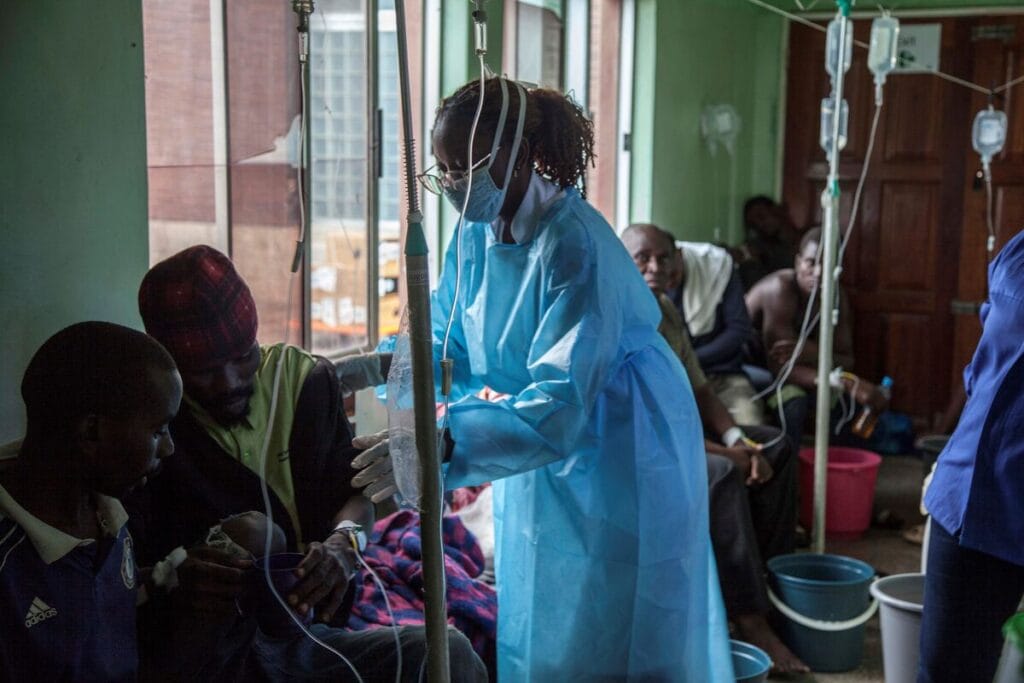
Since the main danger is the progressive loss of fluid, its replenishment in the body is the main task of treating this infection.The treatment is carried out in a specialized infectious diseases department with an isolated ward (box) equipped with a special bed (Philips bed) with scales and dishes for collecting feces. To accurately determine the degree of dehydration, their volume is recorded, hematocrit, serum ion levels, and acid-base index are regularly determined.
Primary rehydration measures include replenishment of the existing fluid and electrolyte deficit. In unembellished cases, arterial polyionic solutions be situated administered. After this, compensatory rehydration is performed. Fluid is administered in accordance with its losses. The occurrence of vomiting is not a contraindication to continuing rehydration. After the water-salt balance is restored and vomiting has ceased, antibiotic therapy is started. In case , a course of tetracycline drugs is prescribed, and in case of repeated isolation of bacteria, chloramphenicol.
There is no specific diet, in the first days they may recommend table No. 4, and after the severe symptoms subside and intestinal activity is restored (3-5th day of treatment) – a diet without any special features. Folks who have are not compulsory to increase potassium-containing diets in their fare (dried apricots, tomato and orange nectars, bananas).
Prognosis and prevention
With timely and complete treatment, recovery occurs after the infection is suppressed. Currently, modern drugs effectively act on the vibrio, and rehydration therapy helps prevent complications.
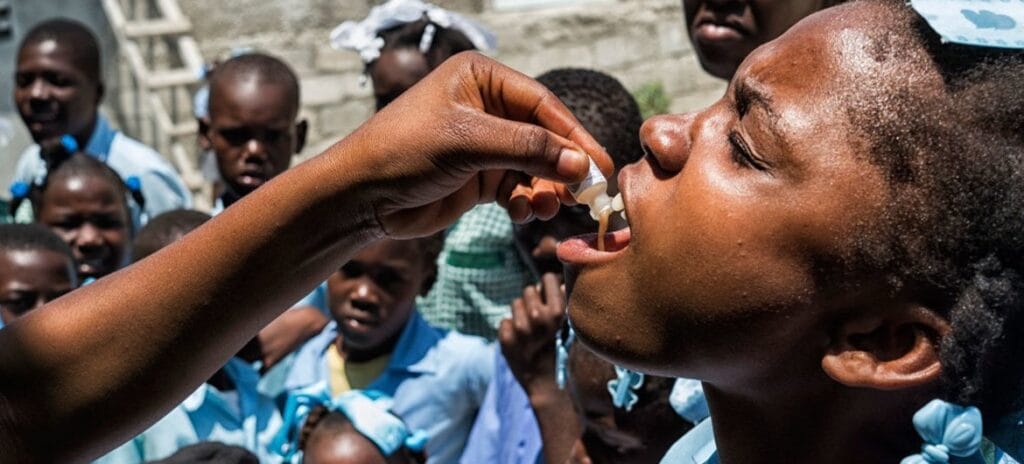
Specific prevention consists of a single vaccination toxin before visiting regions with a high prevalence of this disease. If necessary, revaccination is performed after 3 months. Non-specific measures for preventing include compliance with sanitary and hygienic standards in populated areas, at food establishments, in areas where water is collected for the needs of the population. Individual prevention consists of maintaining hygiene, boiling the water used, washing food products and their proper culinary processing. If a case is detected, the epidemiological focus is subject to disinfection, patients are isolated, all contacts are observed for 5 days to identify possible infection.
This article is for informational purposes only and does not replace professional medical advice.